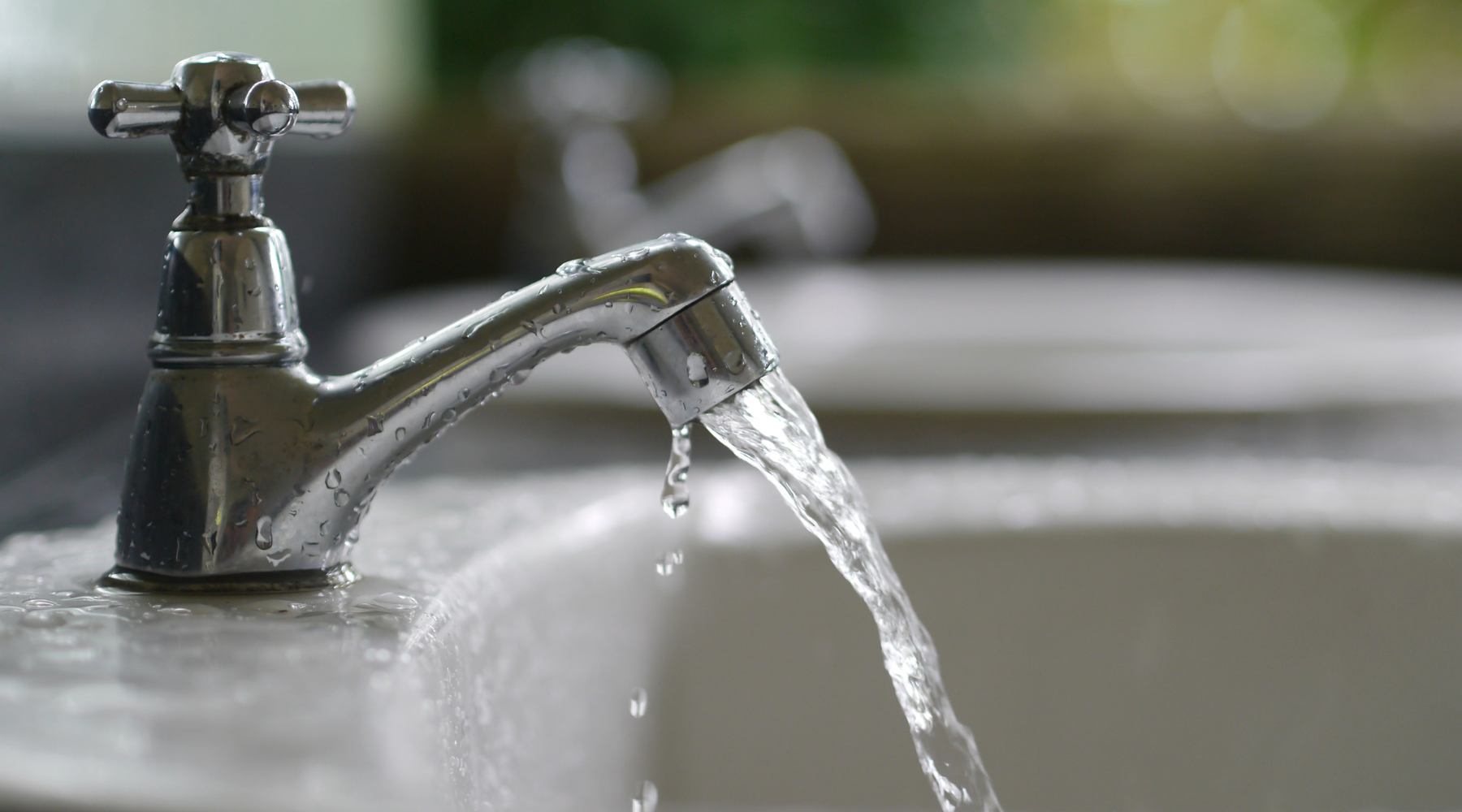
You turn on the faucet, fill a glass, and take a sip without thinking twice. After all, tap water in the United States is regulated and treated before it reaches your home. But have you ever stopped to wonder what's actually in your tap water?
The truth is that while municipal water treatment systems do an incredible job making water safe to drink, tap water can still contain a surprising mix of minerals, chemicals, contaminants, and byproducts. Understanding what's in your water is the first step toward making informed decisions about the water you and your family consume every day.
What's Commonly Found in Tap Water?
Water travels a long journey before it reaches your faucet. Along the way, it can pick up a variety of substances from natural sources, aging infrastructure, treatment processes, and environmental factors.
Some of the most common components found in tap water include:
Minerals - Not everything in tap water is bad. Naturally occurring minerals such as calcium, magnesium, potassium, and sodium are often present and can contribute to water's taste and composition.
Chlorine and Chloramines - Municipal water systems use disinfectants like chlorine and chloramines to kill harmful bacteria and viruses. While effective, these chemicals can affect taste and odor and may leave some consumers searching for alternative drinking water solutions.
Heavy Metals - Older plumbing systems can introduce contaminants such as lead, copper, and iron into drinking water. Lead contamination remains a concern in homes with aging pipes and infrastructure.
PFAS ("Forever Chemicals") - Per- and polyfluoroalkyl substances, commonly known as PFAS, have become a growing concern across the country. These synthetic chemicals have been linked to industrial processes, consumer products, and environmental contamination. Because they break down very slowly, they can remain in water sources for years.
Microplastics - Recent studies have detected microscopic plastic particles in drinking water supplies around the world. Researchers continue to study their long-term health impacts, but their presence has raised questions about overall water quality.
Agricultural and Industrial Runoff - Depending on where you live, trace amounts of pesticides, herbicides, pharmaceuticals, and industrial compounds may find their way into local water sources.
Is Tap Water Safe to Drink?
In most communities, tap water meets federal and local safety standards. However, "meeting standards" doesn't always mean water is free from contaminants.
Water quality can vary significantly based on:
-
Geographic location
-
Local water sources
-
Aging infrastructure
-
Environmental conditions
-
Municipal treatment methods
Many contaminants are present at levels considered acceptable by regulatory agencies, but some consumers prefer to further reduce their exposure through filtration or alternative water sources.
How Can You Find Out What's in Your Water?
The easiest place to start is your local water quality report, often called a Consumer Confidence Report (CCR). Water utilities are required to provide annual reports detailing detected contaminants, water sources, and treatment methods.
You can also:
-
Test your home's water supply
-
Use certified water testing kits
-
Have your water professionally analyzed
-
Check local water quality databases
Testing is especially important if you rely on well water or live in an older home with aging plumbing.
Why More People Are Looking Beyond Traditional Water Sources
As awareness grows around water quality concerns, many homeowners are exploring ways to take greater control over their drinking water.
Traditional solutions often include:
-
Water filter pitchers
-
Under-sink filtration systems
-
Whole-home filtration systems
-
Bottled water delivery services
However, these options still depend on an external water source.
Atmospheric Water Generation (AWG) offers a different approach. Instead of relying on municipal water or bottled water deliveries, AWG technology extracts water directly from humidity in the air, then purifies and mineralizes it for drinking.
A New Approach to Drinking Water
At Kara Water, we believe clean drinking water should be accessible, sustainable, and independent of aging infrastructure. Our Atmospheric Water Generators create fresh water from the air around you, helping reduce reliance on municipal water systems, plastic bottles, and traditional filtration methods.
Whether you're concerned about contaminants, sustainability, or simply want more control over your drinking water, understanding what's in your tap water is an important first step.
The Bottom Line
Tap water plays a vital role in everyday life, and for many people, it's a safe and convenient option. But water quality isn't identical everywhere, and contaminants can vary from one community to the next.
Knowing what's in your tap water empowers you to make informed decisions about your health, your family, and your water source. Whether you choose filtration, testing, or innovative solutions like Atmospheric Water Generation, awareness is the key to better hydration and peace of mind.
Share:
What is AWG? A Complete Guide to Atmospheric Water Generation
Can You Really Make Water From Air?