Kara Pod Update - April 21, 2026
We have some good news regarding Kara Pod development and moving towards the next phase.
We had a few weeks' delay due to the software taking longer than expected to debug. All key functions are updated and functioning as expected. However, a few minor bugs still remain, such as the water level light feature displaying incorrectly, when entering your wi-fi password, the screen restarts, and a few other minor bugs that are being worked through. All hardware is functioning as expected.
10,000 Cycle Test Results
Good news, we have tested thousands of coffee pods (cycles) with the revised coffee pod lid design, and the results were phenomenal! We ran endless amounts of cycles! During testing, we observed for: consistent pressure during brew, crema, color, scent, coffee grounds in the cup, build up inside the pod lid after each pour, various pour sizes, lock mechanism integrity, pod puncturing consistency, various insertion and removal methods, multiple punctures to the pod to test for leakage of coffee grounds and pressure, and much more to ensure that we are delivering the best coffee machine as possible to our backers.


During testing, we found some very interesting facts about brewing coffee using various brands of coffee pods. The most interesting observation, which is useful for the coffee experts in the room, is that the coarseness of the coffee found inside the pod is the most important factor to achieve a perfect pour. Keep in mind that nothing on the product was changed, and pressure was monitored through a pressure gauge that was attached to the pod mechanism.

At first, we were concerned that the device was not able to achieve 7-9 bars of pressure, as we began our test with very cheap, generic pods, and we were consistently hitting 4 bars of pressure. This is too low and results in an acid brew due to low extraction. This led to some concern, and then our QC team decided to go out and purchase more common brands, such as Nespresso and Starbucks coffee pods, to determine if the quality of the brand made a difference. Coincidentally, the brand/quality was directly related to the quality of the pour. When we began testing with Starbucks pods, which are made by Nespresso, we achieved 7.5-9 bars of pressure consistently. Then we tried a medium-coarse brand, and we achieved around 6-6.5 bars of pressure. We then cut open the pods to examine the coffee quality inside, and it was clear that the coarseness of the coffee determined the maximum pressure that the device could achieve, and the finer the ground, the higher the maximum brewing pressure, which resulted in thicker crema, richer color, and better extraction.

The images below are the various coffee coarsitiy from the three pod brands that we cut open. The first image is of the no-brand coffee pod, the second is a branded coffee pod, and the third is a well-known brand (Starbucks).
Below are the pressure results when brewing with pods that had varying coarseness.
Very Coarse: 4 bars
Medium Coarse: 6.5 bars
Fine: 7.5-9 bars
Very Coarse - Black coffee pod

Medium Coarse - Red coffee pod

Fine Ground - Copper coffee pod

So, in reality, not all coffee pods are alike. We are sure that many coffee drinkers out there have experienced a lower quality brew when using an off-brand or a lower-cost coffee pod. Now you know that it is due to the coarseness of the coffee grounds within the pod itself, and not your device. Thankfully, most mainstream brands in the US, as well as our brand, use finely ground coffee to ensure that you are able to get a high-quality extraction each time.
Testing for clogging and the cleaning function
With the new lid design, we focused heavily on the extraction holes inside the coffee pod mechanism, observing for any clogging or slow drainage, which could result in excessive pressure buildup. The findings were better than expected. When pouring espresso shots, we found that the pouring was getting dark quickly. However, when we poured an espresso shot, and then poured a larger pour, 6oz, we found that the pod mechanism area was very clean. Then we proceeded to test the clean method by pouring hot water without a pod inserted. The result was as expected, where the pod area was completely cleaned.
Below is a picture of the coffee pod area after pouring an espresso shot

Below is a picture after pouring a 6oz cup of coffee:

Below is a picture after pouring hot water without a coffee pod:

Test the pod-puncturing ability
A key observation during testing, was consistency amongst how the device punctures the pods during pouring. With the previous design, we found major inconsistencies with how the pods were being punctured, which resulted in the pod rupturing or the lid tearing, releasing coffee grounds into the pour. What we changed in this design were mainly focused on the "pyramids" which puncture the pods, and the rigidity of the mechanism lid itself. We refined the pyramid design to make it easier to puncture the coffee pod, and we added a steel plate to the mechanism lid to eliminate any flexing, which could lead to the coffee pod being raised slightly, preventing the pod from being punctured, which led to the pod itself rupturing from pressure buildup.
The results of the redesign were greater than our expectations. The reinforced pod lid with the steel plate, not only added a great amount of safety to the device, but it also resulted in an extremely consistent pour and puncture over the thousands of cycles that we tested. Even better, Nespresso themselves set a rule that a pod may rupture and the lid pop open once every 1000 pours. With Kara Pod, we experienced 0 rupturing or the lid popping open over our entire cycle testing. Making Kara Pod, one of the safest coffee machines available.
Below are a handful of photos taken of the punctured coffee pods after pour. As you can see, the new design has a very strong punctuating consistency across the pods. This is exactly what you want to see when creating a new coffee pod mechaism.


Conclusion
Based on our test results, we are confident in the new pod mechanism design. As you can see, the major factors around lid integrity, pod puncturing, pressure, and other key features all had positive test results. With this, Kara Pod's coffee pod mechanism has been approved to move to tooling!
What's Next?
Next, we will begin retooling the pod mechanism and resolve the remaining software bugs. This takes between 45-60 days. Once tooling is completed, we will restart mass production. Once production is complete, we will assemble the new pod mechaism into the into the device and begin shipping.
All other assets, such as packaging, user manual, and others, have been completed already.
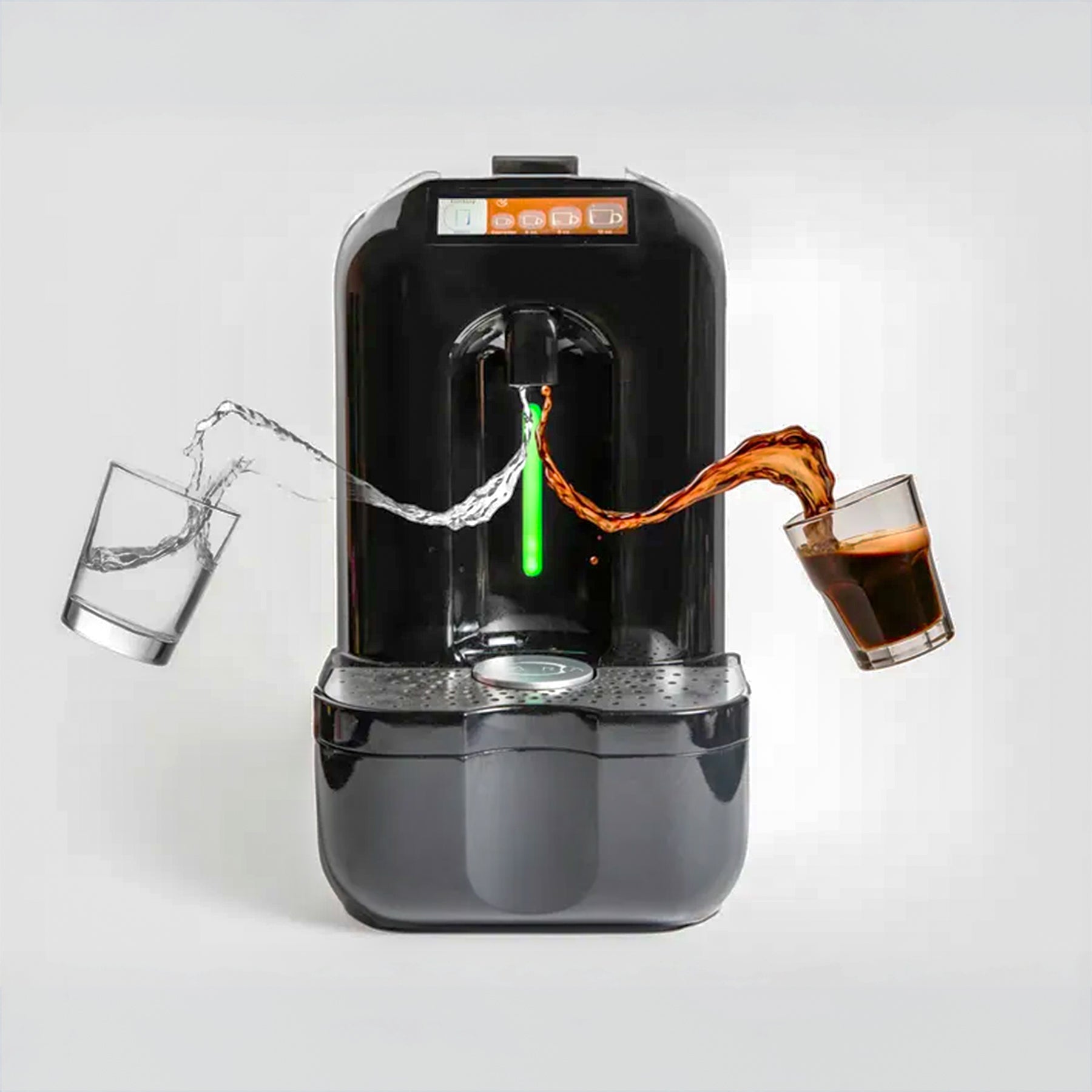
We promise that the wait will be worth it. Kara Pod is revolutionary as the first self-refilling coffee machine and water dispenser ever. We have poured all of our efforts into developing the most advanced and luxurious pod mechanism in the market to give you guys the best device possible.
Share:
New Year New Me: Healthy Habits and Clean Water
What is AWG? A Complete Guide to Atmospheric Water Generation