When people first learn about Atmospheric Water Generation (AWG), one of the most common questions is simple:
How much humidity do you need to make water from air?
It's a fair question. Since Atmospheric Water Generators pull moisture from the air, humidity plays a major role in how much water can be produced. However, many people are surprised to learn that modern AWG technology can operate in much drier conditions than they expect.
Understanding the relationship between humidity and water production can help you determine whether an Atmospheric Water Generator is a good fit for your home, business, or location.
What Is Humidity?
Humidity refers to the amount of water vapor present in the air.
The atmosphere around us contains moisture at all times, even when the air feels dry. The percentage most people see on weather forecasts is known as relative humidity, which measures how much moisture is in the air compared to the maximum amount the air can hold at a given temperature.
For example:
-
20% humidity = very dry air
-
40% to 60% humidity = moderate humidity
-
70%+ humidity = high humidity
Even desert climates contain water vapor. The challenge is efficiently capturing that moisture and converting it into drinkable water.
How Atmospheric Water Generators Use Humidity
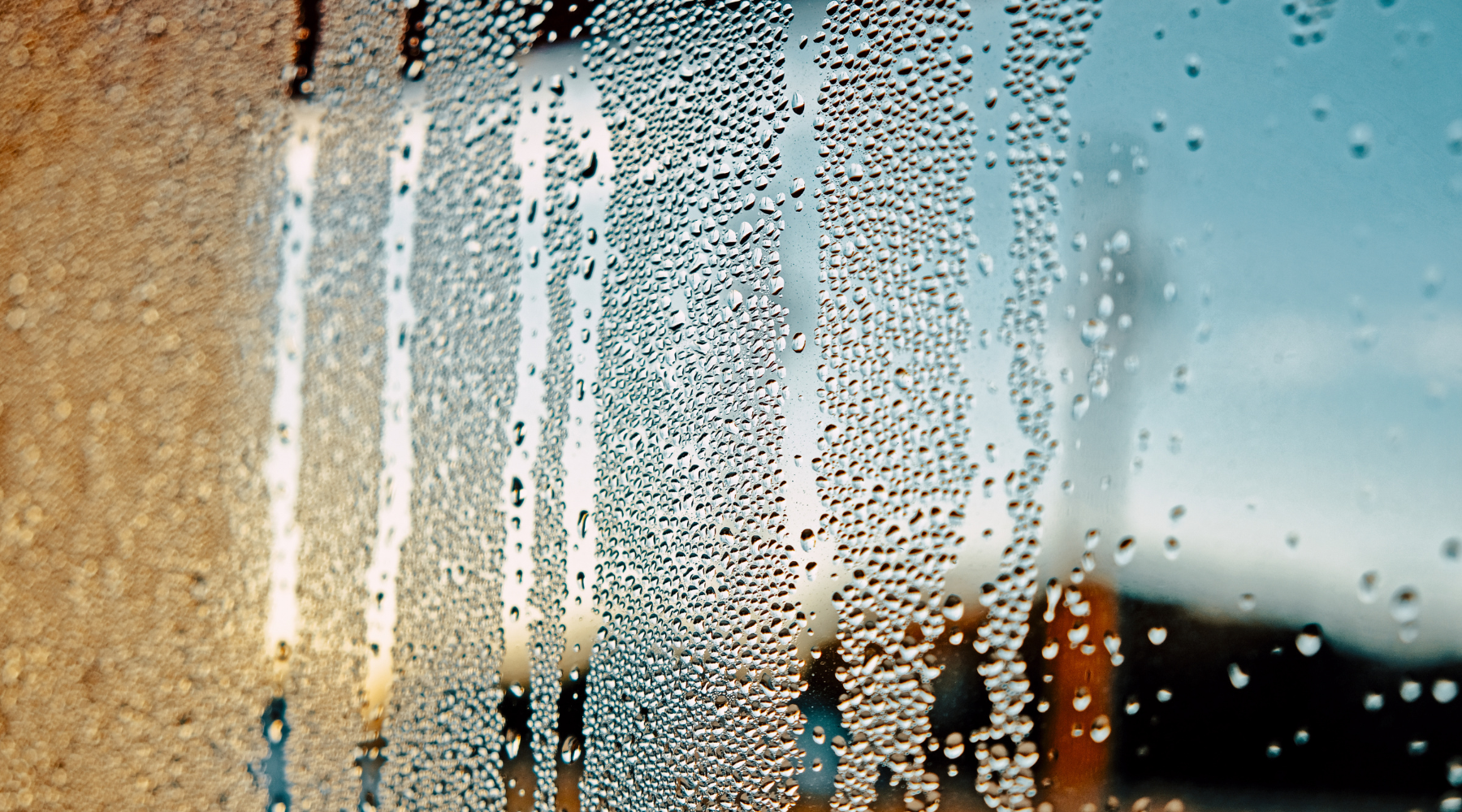
Atmospheric Water Generators work by drawing air into the system and cooling it below its dew point. As the air cools, water vapor condenses into liquid water, which is then collected, purified, and mineralized for drinking.
The more moisture available in the air, the more water can generally be captured during this process.
Think of it like collecting rain. A light drizzle will fill a bucket more slowly than a heavy storm. The same principle applies to humidity levels and water production.
Does Higher Humidity Mean More Water Production?
In most cases, yes.
Higher humidity levels typically allow Atmospheric Water Generators to produce more water because there is more moisture available for extraction.
For example:
-
At 80% humidity, water production may be significantly higher.
-
At 50% humidity, production remains strong.
-
At 20% humidity, production may decrease but can still be effective depending on the system.
-
At extremely low humidity levels, performance depends heavily on the technology being used.
This is why the design and efficiency of an Atmospheric Water Generator matter just as much as the climate itself.
Can Atmospheric Water Generators Work in Dry Climates?
One of the biggest misconceptions about Atmospheric Water Generation is that it only works in tropical or highly humid environments.
The reality is that advanced systems can operate successfully in surprisingly dry conditions.
Many older or less advanced Atmospheric Water Generators require moderate humidity levels to function efficiently. However, modern technology has expanded the range of environments where water can be produced from air.
Kara Water's Low-Humidity Advantage
Kara Water products are engineered to operate in humidity levels as low as 3% relative humidity.
This capability allows Kara Water products to function in environments where many traditional Atmospheric Water Generators struggle or stop producing water altogether.
Whether you're in an arid climate, a high-desert region, or an area experiencing seasonal dryness, Kara Water technology is designed to continue extracting moisture from the atmosphere and producing clean drinking water.
This makes Atmospheric Water Generation a practical solution for a much wider range of locations than many people realize.
Other Factors That Affect Water Production
Humidity is important, but it is not the only factor that influences how much water an AWG system can produce.
Temperature - Warmer air can hold more moisture than colder air. In general, higher temperatures can improve water production when humidity is present.
Airflow - Proper airflow allows the system to continuously process fresh air and maximize moisture extraction.
System Design - The efficiency of the cooling system, filtration technology, and water collection process all impact overall production. Advanced systems are designed to optimize water generation across a broad range of environmental conditions.
Maintenance - Clean filters and properly maintained components help ensure consistent performance and water quality.
Why Humidity Matters for Sustainable Water Production
As concerns about water scarcity, droughts, and aging infrastructure continue to grow, Atmospheric Water Generation is becoming an increasingly important alternative water source.
Understanding local humidity patterns can help homeowners and businesses estimate potential water production and maximize efficiency.
The good news is that advances in air-to-water technology have made it possible to generate water in climates once considered too dry for Atmospheric Water Generation.
The Future of Water From Air
Atmospheric Water Generation is transforming how people think about access to drinking water.
Rather than relying solely on municipal water systems, wells, or bottled water deliveries, AWG technology harnesses a renewable resource that surrounds us every day: the moisture already present in the atmosphere.
As technology continues to improve, water production is becoming more efficient across a wider range of climates, making air-to-water systems a viable solution for homes and businesses around the world.
The Bottom Line
Humidity plays a major role in atmospheric water production, but it is only part of the equation. While higher humidity generally results in greater water output, modern Atmospheric Water Generators are capable of operating in much drier environments than many people realize.
Kara Water products are designed to function in humidity levels as low as 3%, helping provide clean, mineralized drinking water even in challenging climates. By combining advanced air-to-water technology with efficient water extraction and purification systems, Kara Water makes it possible to create drinking water from the air around you, virtually anywhere.
Share:
Can You Really Make Water From Air?
Sustainable Alternatives to Bottled Water: Better Ways to Stay Hydrated